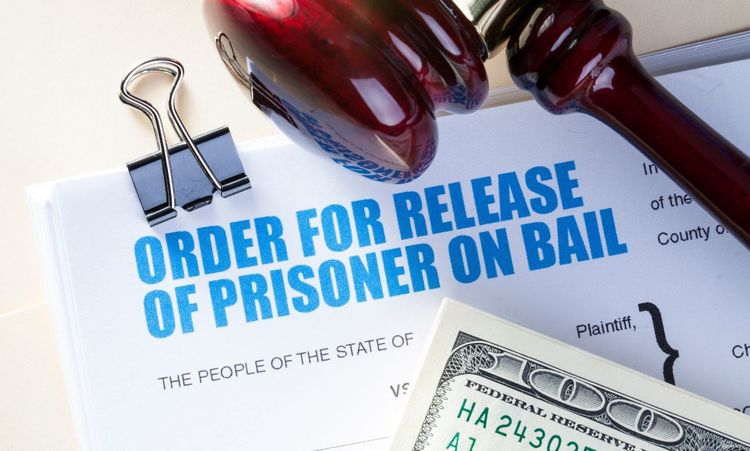
Background check errors happen more than most people realize. A wrong address, outdated conviction, or someone else's record mixed into yours can cost you a job. It can cost you housing. It can cost you peace of mind. Studies show that roughly one in three background check reports contains at least one significant error. Fixing these mistakes takes effort, but it is absolutely doable. This guide walks you through every step clearly.
Verify and Gather Evidence
The first thing you must do is get a copy of your background check report. You cannot fix what you cannot see. Request the full report from whoever conducted it. Employers are required to tell you which agency provided the report.
Once you have the report, read every line carefully. Look for names spelled wrong, incorrect dates, or charges that do not belong to you. Sometimes old cases that were expunged still show up. That is illegal and needs correction immediately.
Gather every document that contradicts the error. Court dismissal papers, proof of address, or ID documents all help. The more evidence you collect upfront, the faster the dispute process goes. Think of this as building your case before walking into the courtroom. Do not rely on memory alone — physical documentation is what agencies and courts respond to.
Contact Reporting Agencies Directly
After gathering your evidence, the next move is contacting the consumer reporting agency (CRA) that produced the report. The Fair Credit Reporting Act (FCRA) gives you the right to dispute errors directly with them.
Most agencies accept disputes online, by mail, or by phone. Written disputes are best. They create a paper trail that protects you later. Send your letter via certified mail so you have proof of delivery.
Your dispute letter should include your full name and contact details. Attach copies of your supporting documents. Clearly state what information is wrong and why. Keep your tone professional, not emotional. Agencies process hundreds of disputes weekly. A clear, concise letter gets faster results.
The agency must investigate within 30 days under federal law. They contact the original source of the information. Then they must correct or delete anything that cannot be verified. You receive written results once the investigation closes. Save that written response — it becomes part of your permanent record trail.
Understand Your Rights
Knowing your rights here is not optional — it is essential. The Fair Credit Reporting Act protects consumers from inaccurate background checks. Many people skip this step and end up losing ground they did not have to lose.
Under the FCRA, you have the right to know when a background check was used against you. You also have the right to a free copy of the report. You can dispute any information you believe is false. The agency must correct verified errors without charging you a single cent.
Some states offer even stronger protections. California, New York, and Illinois have their own background check laws. These can give you additional time, more rights, and broader remedies. Check the laws in your specific state as well.
Employers also have legal obligations. They must follow the "adverse action" process before rejecting you based on a background check. They send you a pre-adverse action notice first. That gives you a chance to respond before any final decision is made. Understanding this process keeps you from missing critical windows. Many applicants lose opportunities simply because they did not know this step existed.
Dispute the Inaccurate Information
This section is the heart of fixing a background check error. A formal dispute is your primary legal tool. Used correctly, it forces agencies and data sources to act.
Start by writing a formal dispute letter to the CRA. Be specific about every error. Vague complaints get vague results. Say exactly what is wrong, what it should say, and attach proof. Keep a copy of everything you send.
Next, contact the original source of the wrong information. If a court record is wrong, contact that court directly. If an employer reported false data, write to them as well. Disputing at both the agency and source level speeds up correction significantly.
After submitting the dispute, follow up consistently. Agencies sometimes close disputes without proper investigation. If yours is closed without resolution, escalate. File a complaint with the Consumer Financial Protection Bureau (CFPB). You can also file with the Federal Trade Commission (FTC). Both agencies take these matters seriously.
Seek Legal Assistance
Sometimes the dispute process stalls. Agencies ignore you, or errors keep reappearing. When that happens, it is time to bring in legal support.
An attorney who specializes in FCRA cases can be a game-changer. Many offer free consultations. Under the FCRA, if an agency willfully violates your rights, you can sue for damages. Legal fees are often covered by the agency if you win. That means legal help may cost you nothing out of pocket.
Legal aid organizations also help those who cannot afford private attorneys. Many operate in major cities and focus on consumer rights. Do not rule out this option if money is tight. A quick online search for "FCRA attorney near me" or "consumer rights legal aid" can surface solid options within your area.
A lawyer can also help if your error involves criminal records. Expungement and record sealing are legal processes that clear eligible records permanently. Once sealed or expunged, those records should not appear on most background checks. Legal assistance makes that process much smoother.
Ensure Future Accuracy
Fixing the current error is only half the job. You also need to protect yourself going forward.
Check your background report annually. Services like AnnualCreditReport.com let you access certain records for free. Catching errors early prevents them from causing damage. Staying informed is one of the smartest things you can do.
Update your personal records after any major life change. A new address, name change, or cleared charge should be reflected accurately. Notify relevant agencies and courts when records change. Do not assume updates happen automatically — they often do not.
Monitor your identity proactively. Identity theft can inject someone else's criminal history into your records. Credit monitoring services can alert you to unusual activity. Staying ahead of errors is far easier than cleaning them up after the fact.
Keep copies of all dispute records, correspondence, and outcomes. If the same error resurfaces, you will already have the paper trail ready. That preparation saves significant time and frustration the second time around.
Conclusion
A background check error does not have to define your future. The steps above give you real, actionable tools to fight back. Start by pulling your report. Gather your evidence. Know your rights inside out. File your disputes clearly and follow up relentlessly.
Most errors can be corrected with persistence. Some require legal help, and that help is often more accessible than people think. Protect yourself going forward by staying on top of your records. Your reputation, your career, and your opportunities are worth every bit of that effort. Take the first step today — even a single phone call or letter can set the correction process in motion.