Your car says something about you before you even open the door. Whether you're pulling into the office or grabbing coffee, people notice.
But your car isn’t just about impressions. It’s an investment. And like any investment, it needs proper care—starting with its exterior.
So, if you’ve ever asked yourself, “Why is exterior detailing essential for your vehicle?”—you’re asking the right question. It’s not just about looks. It’s about protection, preservation, and smart ownership.
Let’s walk through what exterior detailing truly involves and why every vehicle, no matter the model or age, deserves it.
What Is Exterior Detailing?
Exterior detailing is more than washing. It’s a professional, systematic approach to restoring and preserving the outside of your vehicle.
This isn’t a quick rinse at your local gas station. It’s a deep clean that targets the parts a regular wash misses.
From the paintwork to the headlights, from wheels to windows—every inch gets special attention. Detailers remove stubborn dirt, contaminants, and oxidation. They polish out light scratches. They finish with a layer of protection against future damage.
It’s labor-intensive. But it’s thorough.
Unlike automated car washes, professional detailing uses pH-balanced shampoos, clay bars, microfiber cloths, and machine polishers. No harsh brushes. No shortcuts.
The outcome? Your car not only shines—it breathes again.
Key Benefits of Exterior Detailing
You might think, "As long as my car looks okay, I'm good." But there's more under the surface. Detailing serves both aesthetic and practical purposes.
Let’s break down the key benefits one by one.
Preserve Paintwork
Paint isn't just there to look good. It’s a barrier. A shield. It protects your vehicle’s body from rust, corrosion, and moisture.
Every day your car battles the elements—dust, road salt, acidic bird droppings, bug residue, and tree sap. These things might seem minor. They're not.
Over time, contaminants bond with the paint surface. They eat into the clear coat and degrade the finish. Once the clear coat is compromised, you're headed for peeling, rust, and expensive repairs.
Exterior detailing removes these contaminants before they do long-term harm. The process often involves claying, which safely lifts debris embedded in the paint. This is followed by polishing, which smooths out imperfections.
Finally, a wax or sealant is applied. This acts like a sunscreen, guarding against future damage.
Skipping detailing may seem like no big deal now. But months down the line? You might be facing faded paint and thousands in repair costs.
Enhance Appearance
Let’s face it—there’s nothing like the look of a freshly detailed car. It sparkles. It pops. It catches the light just right.
But appearance isn’t just about vanity. A sharp-looking car affects how others perceive you—and how you feel behind the wheel.
After detailing, swirl marks vanish. Water spots disappear. The paint reflects like a mirror. Chrome trims shine. Even the tires look bold.
Headlights? Clear. Windshield? Streak-free.
Driving a detailed vehicle feels different. You don’t just drive—you glide. Confidence goes up. And so does your pride in ownership.
Plus, if you’re ever thinking of selling, you’ll understand just how much appearance matters in the market.
Protect Against UV Rays
Sunlight is brutal on your car’s paint. UV rays break down the chemical structure of the clear coat.
Over time, exposure leads to fading, discoloration, and oxidized paint. Dark-colored cars suffer even more under constant sunlight. The glossy finish becomes chalky.
Exterior detailing includes UV protection. Sealants and ceramic coatings act like sunblock for your car. They reflect harmful rays and extend the life of your paintwork.
In sunny regions, especially places like California, Arizona, or Florida, UV damage is a serious concern.
Regular detailing means you're not only cleaning—you’re actively preventing sun damage.
Skipping UV protection for your vehicle is like sitting at the beach all day without sunscreen. You might not notice the damage today. But wait a few months.
Restore Value
A well-maintained car doesn’t just look better. It sells better.
Whether you’re trading in at a dealership or listing your car online, first impressions matter. A dull, scratched-up car suggests neglect—even if you’ve maintained the engine perfectly.
Buyers hesitate. Dealers offer less. Everyone starts calculating how much they’ll need to spend to make it “look right.”
On the flip side, a clean, polished vehicle commands attention. It looks newer, more valuable, and more cared for.
Professional detailing before a sale can add hundreds—or even thousands—to the final price. It's a relatively small investment with a potentially big return.
And it’s not just for resale. Leasing a car? Returning it in great shape can help you avoid costly damage fees.
How Often Should You Detail Your Vehicle’s Exterior?
So, how often should you get this done?
Well, it depends on a few things—like your driving habits, where you live, and how you store your car.
If you park outside all day, detail every 3–4 months. Urban drivers? You’ll need it more frequently due to pollution and dust. Live near the ocean? Salt in the air can destroy paint fast. Again, more often is better.
If your car sits in a garage most days, you can go longer—perhaps 5–6 months between sessions.
But here’s a good rule of thumb: twice a year minimum.
Think of it like seasonal maintenance. Detail in spring to remove winter grime. Do it again in fall to prep for colder months.
And if you really want to stay on top of things, consider a quarterly schedule. Four times a year. It keeps your car in top condition year-round.
Exterior Car Detailing vs. A Regular Car Wash
You might be wondering—can’t I just wash the car myself every weekend?
Sure. A regular car wash helps. But it's not enough.
Washing removes loose dirt. That’s it. It doesn't fix oxidation. It doesn't polish scratches. It doesn't protect the surface with wax or sealant.
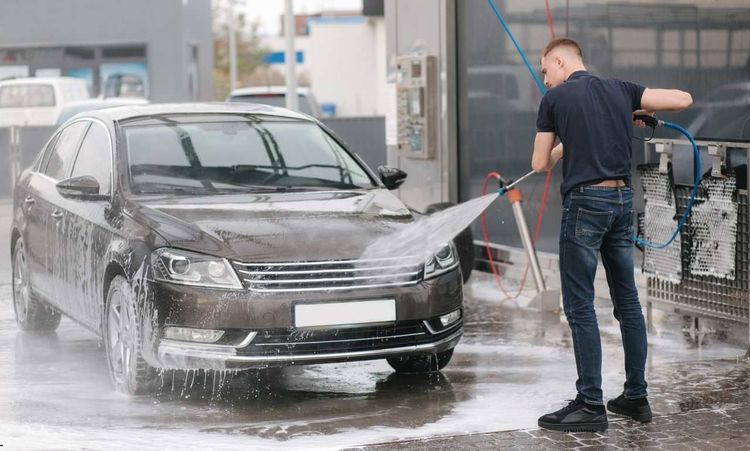
In fact, most automatic car washes use stiff brushes and recycled water. These can cause tiny scratches and leave residues behind.
Exterior detailing, on the other hand, is focused care.
It removes bonded contaminants, not just surface dust. It smooths the paint. It protects against the sun, weather, and pollutants.
Think of it like this:
- A car wash is a quick shower.
- Exterior detailing? That’s a full-body treatment with exfoliation, moisturizing, and protection.
Both have their place. But only one truly maintains your vehicle’s exterior health.
A Real Example Worth Noting
A dealership in Texas once ran a test. They listed two identical vehicles online—same model, year, and mileage.
One had been professionally detailed. The other had a regular wash.
Guess which one got 3x more inquiries?
The detailed vehicle sold within three days. The other took over two weeks.
This isn’t a fluke. Buyers are drawn to clean, well-maintained cars. They assume a well-cared-for exterior means a well-cared-for engine and interior too.
If you're thinking about selling or trading in, detailing should be your first step.
Conclusion
Exterior detailing is not just a luxury for car enthusiasts. It’s a practical, smart choice for anyone who wants their vehicle to last.
It protects your paint. It fights off UV damage. It boosts resale value. And yes—it makes your car look incredible.
Whether you drive a compact commuter or a high-end luxury model, exterior detailing keeps it looking—and feeling—its best.
Don’t wait until your car looks dull or damaged. Proactive care saves money, time, and frustration down the road.
And if someone ever asks you, “Why exterior detailing is essential for your vehicle?”—you’ll have more than a few reasons to share.